Introduction
Software Wallets are one of the most common ways to store and manage cryptocurrencies like Bitcoin and Ethereum. These wallets are applications that allow users to send, receive, and hold crypto assets securely on phones or computers.
Because they are easy to use and often free, software wallets are popular among beginners. However, understanding their security and limitations is important before choosing one.
In this guide, you will learn what software wallets are, how they work, the best options available, and tips to use them safely.
What Are Software Wallets?
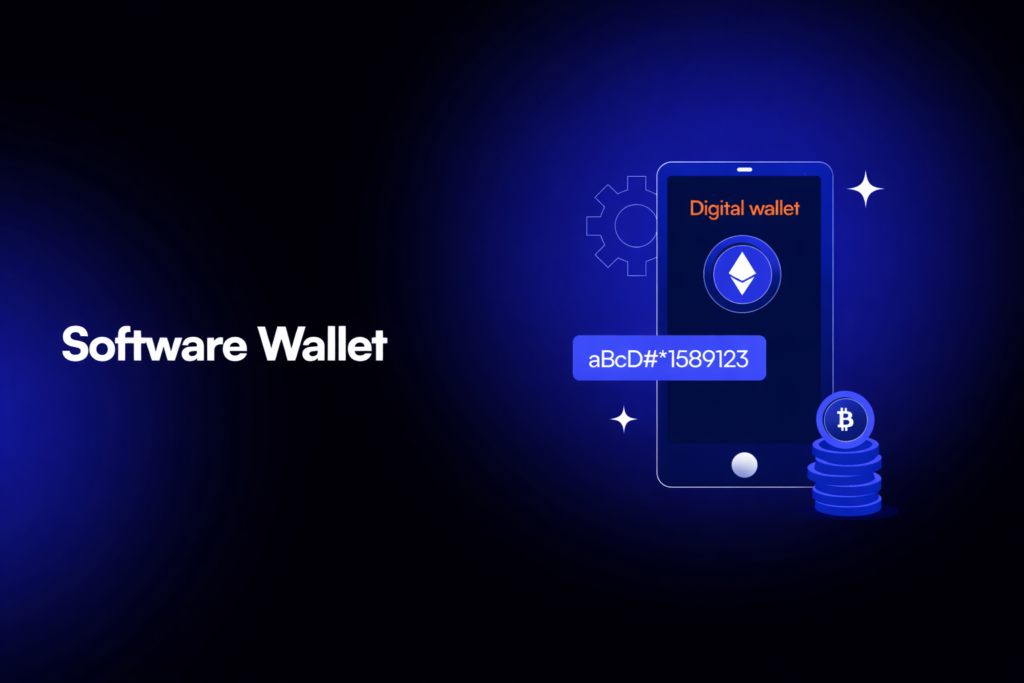
Software wallets are digital applications that store your cryptocurrency private keys and allow access to your funds.
In simple words:
A software wallet is an app or program that helps you manage crypto on your phone or computer.
These wallets connect to the internet, which makes them convenient for everyday use.
Types of Software Wallets
Software wallets come in different forms.
1. Mobile Wallets
Mobile wallets run on smartphones and are great for daily crypto use.
Example:
- Trust Wallet
2. Desktop Wallets
Desktop wallets install on computers and provide strong control.
Example:
- Exodus Wallet
3. Web Wallets
Web wallets work through browsers and are easy to access.
Example:
- MetaMask
How Do Software Wallets Work?
Software wallets work by storing private keys and interacting with blockchain networks.
Step 1: Wallet Generates Keys
First, the wallet creates:
- Public key (for receiving crypto)
- Private key (for accessing funds)
Step 2: Users Send and Receive Crypto
Next, users can send or receive crypto through wallet addresses.
Step 3: Blockchain Confirms Transactions
Finally, the blockchain validates transactions, and the wallet updates balances.
Therefore, software wallets offer a simple way to interact with crypto networks.
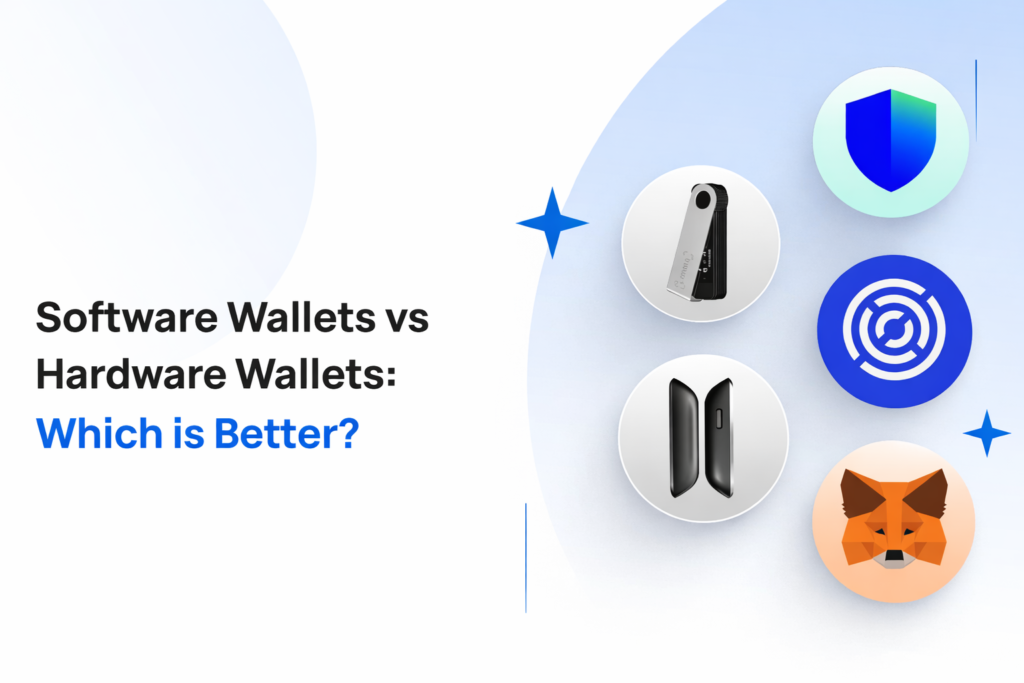
Software Wallets vs Hardware Wallets
| Feature | Software Wallets | Hardware Wallets |
|---|---|---|
| Storage | Online | Offline |
| Security | Moderate | Very high |
| Best For | Daily usage | Long-term holding |
| Cost | Mostly free | Paid device |
So, software wallets are convenient, while hardware wallets offer stronger protection.
Benefits of Software Wallets
Software wallets provide many advantages:
✅ Easy to Use
Most wallets have beginner-friendly interfaces.
✅ Free and Accessible
Many popular options are free to download.
✅ Supports Multiple Coins
Most wallets store Bitcoin, Ethereum, and many altcoins.
✅ Quick Transactions
Users can send and receive crypto instantly.
Risks and Limitations
Software wallets also carry certain risks.
Online Security Threats
Because they stay connected to the internet, hackers may target them.
Device Vulnerabilities
If your phone or computer is infected with malware, funds may be at risk.
Phishing Scams
Fake wallet apps and websites can steal private keys.
Therefore, choosing trusted wallets is essential.
Best Software Wallet Options in 2026
Here are popular and trusted choices:
1. Trust Wallet
Best for: Beginners and mobile users
- Easy interface
- Multi-coin support
- Built-in staking
2. MetaMask
Best for: Ethereum, NFTs, and Web3 apps
- Browser + mobile version
- DeFi integration
3. Exodus Wallet
Best for: Desktop users
- Attractive design
- Supports many assets
4. Coinbase Wallet
Best for: Beginners wanting simplicity
- Strong brand trust
- Easy access to DeFi
Safety Tips for Software Wallet Users
To keep crypto safe, follow these tips:
✅ Enable two-factor authentication
✅ Use strong passwords
✅ Never share private keys
✅ Store recovery phrase offline
✅ Download wallets from official sources
Moreover, hardware wallets are recommended for large holdings.
Are Software Wallets Safe for Beginners?
Yes, software wallets can be safe if beginners use trusted apps and follow proper security rules.
For small amounts and daily usage, they are a good starting point.
However, long-term investors should consider cold storage for maximum safety.
Frequently Asked Questions (FAQ)
Which software wallet is best for beginners?
Trust Wallet and Coinbase Wallet are great options for beginners.
Can software wallets be hacked?
The wallet itself is secure, but online threats and phishing scams can cause losses.
Should I use both software and hardware wallets?
Yes. Many users keep small amounts in software wallets and large holdings in hardware wallets.
Conclusion
Software wallets are an easy and popular way to store and manage cryptocurrency. They provide convenience, accessibility, and support for multiple assets.
However, since they remain online, users must follow proper security practices to protect funds. Beginners should start small, use trusted wallets, and upgrade to hardware wallets as their investments grow.
Disclaimer
This article is for educational purposes only and does not provide financial or investment advice. Always research wallet security carefully.