Introduction
farming is one of the most popular ways people earn rewards in decentralized finance (DeFi). It allows users to provide liquidity or stake crypto assets and potentially earn returns through tokens or interest.
However, This method also carries risk, especially for beginners. Therefore, it is important to understand the basics before using any DeFi platform.
In this guide, you will learn what farming is, how it works step by step, its benefits, risks, and beginner-friendly safety tips.
What Is Yield Farming?
liquidity farming is a DeFi strategy where users lock or deposit cryptocurrency into a decentralized protocol to earn rewards.
In simple terms:
Yield farming means earning rewards by providing liquidity to DeFi platforms.
These rewards may come from:
- Trading fees
- Interest from borrowers
- Governance token incentives
DeFi reward strategy became popular because it offers an alternative way to earn passive income in crypto.
Why Yield Farming Is Important in DeFi
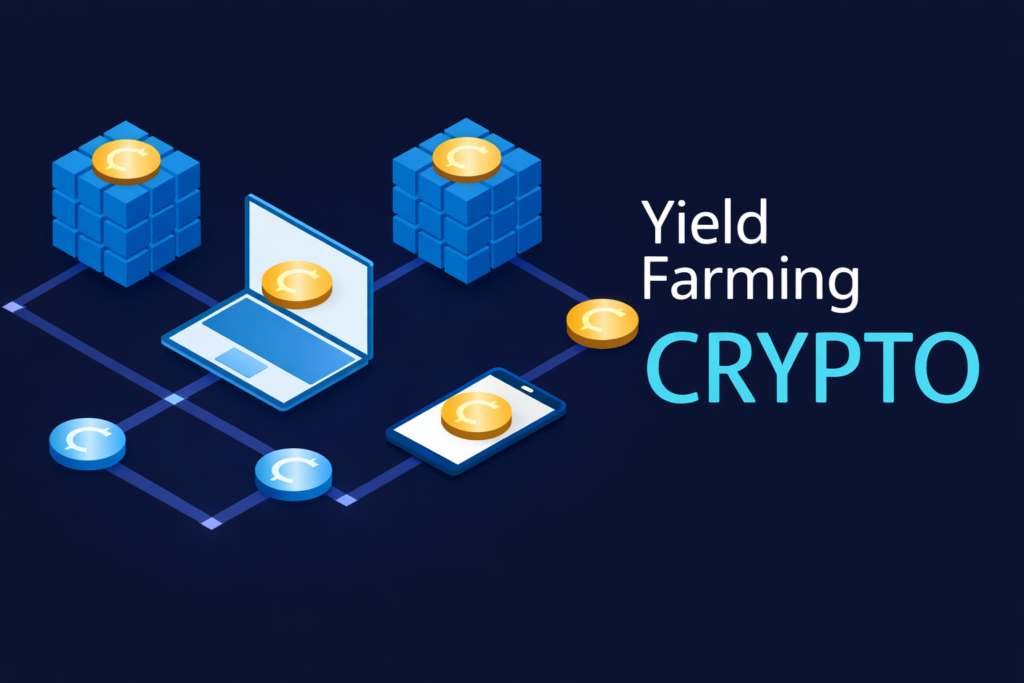
earning through liquidity pools plays a major role in DeFi because it helps platforms remain liquid and functional.
It benefits the ecosystem by:
- Supporting decentralized exchanges
- Encouraging users to supply liquidity
- Making lending and borrowing possible
Moreover, earning through liquidity pools drives activity across DeFi networks like Ethereum.
How Does Yield Farming Work? (Step-by-Step)
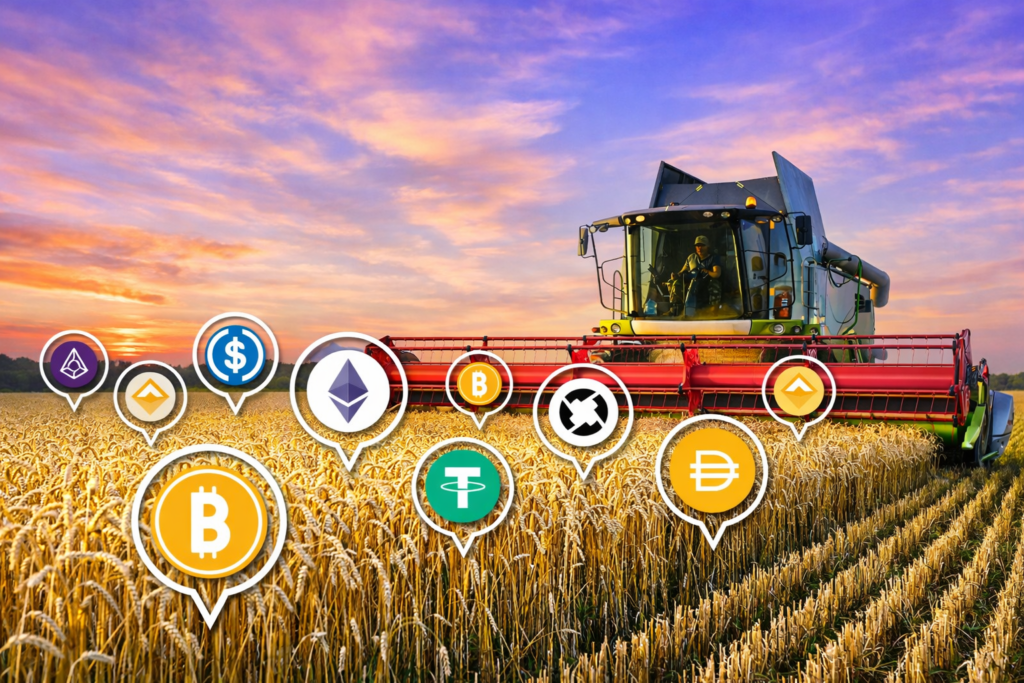
farming rewards works through smart contracts and liquidity pools.
Step 1: You Deposit Crypto Into a Liquidity Pool
First, you provide crypto assets to a platform, such as:
- ETH + USDC
- BTC + USDT
These assets go into a liquidity pool.
Step 2: The Platform Uses Your Funds
Next, DeFi platforms use the pool for:
- Token swaps
- Lending services
- Borrowing liquidity
As a result, users can trade or borrow without intermediaries.
Step 3: You Earn Rewards
In return for providing liquidity, you may earn rewards such as:
- A share of transaction fees
- Interest payments
- Additional reward tokens
Therefore, farming rewards liquidity providers.
Step 4: Rewards Vary Based on Demand
Finally, farming rewards returns depend on:
- Pool liquidity
- Trading volume
- Token incentives
- Market volatility
Returns can change daily, so farmers must monitor risk carefully.
Yield Farming vs Staking
Many beginners confuse farming rewards with staking.
| Feature | Farming | Staking |
|---|---|---|
| Purpose | Provide liquidity | Secure blockchain network |
| Risk Level | Higher | Lower |
| Rewards Source | Fees + incentives | Staking rewards |
| Complexity | Advanced | Beginner-friendly |
So, beginners usually start with staking before farming.
Benefits of Farming
farming rewards offers several advantages:
✅ 1. Potential Rewards
Users may earn returns through fees and incentives.
✅ 2. Supports DeFi Growth
Farming provides liquidity that powers DeFi platforms.
✅ 3. Flexible Investment Options
Users can choose different pools based on risk levels.
✅ 4. Access Without Banks
Anyone with a wallet can participate without traditional finance approval.
Risks of Yield Farming (Very Important)
This method also carries risk .
Smart Contract Risk
Hackers may exploit vulnerabilities in poorly coded platforms.
Impermanent Loss
Liquidity providers may lose value if token prices change sharply.
Scams and Rug Pulls
Some DeFi projects may be unsafe or fraudulent.
Therefore, always use trusted platforms.
Market Volatility
Crypto price swings can affect farming profitability.
Is Yield Farming Safe for Beginners?
farming can be risky for beginners. However, beginners can reduce risk by:
- Starting with small amounts
- Using reputable DeFi protocols
- Avoiding unknown projects
- Learning about impermanent loss
- Securing wallets properly
Moreover, education is essential before investing funds.
Popular Yield Farming Platforms
Some widely known DeFi protocols include:
- Uniswap
- Curve Finance
- Aave
- Compound
Always research carefully before using any platform.
Beginner Tips for Yield Farming in 2026
Here are safe tips:
✅ Choose stablecoin pools for lower volatility
✅ Avoid extremely high APY promises
✅ Diversify across platforms
✅ Use hardware wallets when possible
✅ Monitor gas fees on Ethereum
Therefore, smart strategies reduce risk over time.
Frequently Asked Questions (FAQ)
What is yield farming used for?
farming is used to earn rewards by providing liquidity or staking tokens in DeFi platforms.
Is yield farming profitable?
It can be, but returns vary and risks are high. Beginners should be cautious.
What is impermanent loss?
Impermanent loss happens when token prices change, reducing the value of liquidity deposits.
Conclusion
farming is an important part of DeFi that allows users to earn rewards by providing liquidity to decentralized platforms.
However, This method also carries risk such as smart contract issues, volatility, and impermanent loss. Therefore, beginners should start small, use trusted platforms, and focus on learning first.
With responsible strategies, farming can become a useful DeFi tool in the evolving crypto ecosystem.
Disclaimer
This article is for educational purposes only and does not constitute financial or investment advice. This method also carries risk and may result in losses.